


-
![]() Fix Hard Drive Disappeared in Windows 10 No Data Loss
Fix Hard Drive Disappeared in Windows 10 No Data Loss October 14,2026
 6 min read
 -
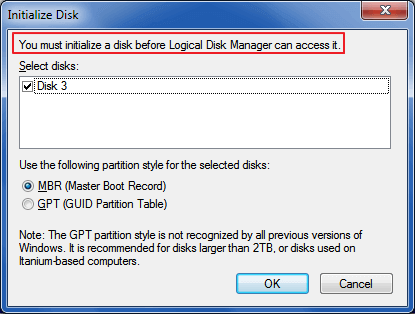
![]() [4 Fixes] You Must Initialize a Disk Before Logical Disk Manager Can Access ItOctober 14,20266 min read
[4 Fixes] You Must Initialize a Disk Before Logical Disk Manager Can Access ItOctober 14,20266 min read -
![]()
-
![]() How Long Do Hard Drives or External Hard Drives Last (If Unused)October 14,20266 min read
How Long Do Hard Drives or External Hard Drives Last (If Unused)October 14,20266 min read -
![]() Unable to Eject External Hard Drive? Fices for Windows 10/11October 14,20266 min read
Unable to Eject External Hard Drive? Fices for Windows 10/11October 14,20266 min read -
![]() Solutions: Cannot Open External Hard Drive and Files/FoldersOctober 14,20266 min read
Solutions: Cannot Open External Hard Drive and Files/FoldersOctober 14,20266 min read -
![]() How to Fix 'The semaphore timeout period has expired'October 14,20266 min read
How to Fix 'The semaphore timeout period has expired'October 14,20266 min read -
![]()
-
![]()
-
![]() Fixe Maxtor External Hard Drive Not Working/Recognized Without Data LossOctober 14,20266 min read
Fixe Maxtor External Hard Drive Not Working/Recognized Without Data LossOctober 14,20266 min read
Page Table of Contents
External hard drives are a lifesaver for storing large amounts of data, but sometimes they stop working as expected. If your drive is acting up, files are disappearing, errors are showing, or it's not recognized at all, don't panic!
In this guide, we'll show you how to repair an external hard drive, recover your data safely, and prevent future issues using a powerful hard drive recovery tool and other reliable methods.
Repair an External Hard Drive:
Why External Hard Drives Fail
Understanding why your external drive isn't showing up or working can help you choose the right repair method. Common causes include:
- File system corruption – This happens if a drive isn't ejected properly or there's a sudden power loss.
- Physical damage – Dropping the drive or exposure to extreme conditions can damage internal components.
- Virus or malware attacks – Malicious programs can corrupt files or prevent access.
- Hardware issues – Faulty USB ports, cables, or the drive controller can prevent detection.
According to Microsoft, many external drive problems stem from sudden disconnections or corrupted file systems.
How to Repair an External Hard Drive (Step-by-Step)
Here's a practical, step-by-step approach to repairing your external drive while maximizing the chances of data recovery.
#1. Check for Physical Issues
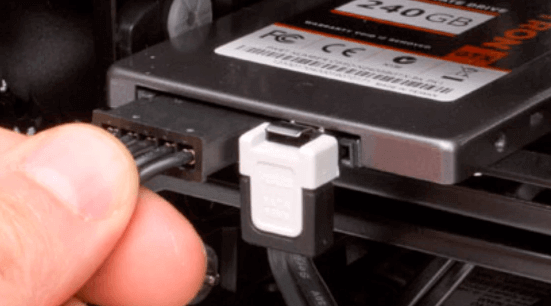
Suppose your external hard drive is not detected. Before doing anything else, make sure the drive itself is physically intact:
- Inspect the USB cable and ports. Try another cable or port if possible.
- Listen for unusual noises like clicking or grinding. These often indicate hardware failure.
- Check the drive's LED indicator - no lights may suggest power issues.
Tip: If your drive shows physical damage, avoid DIY repair and consult a professional. Data recovery is safer with experts.
#2. Run Windows Disk Check (CHKDSK)
- Warning
- Running CHKDSK on a failing drive can sometimes worsen physical damage. If unsure, move to Step 3👉Use Hard Drive Recovery Software first.
Windows has built-in tools to repair logical file system errors:
Step 1. Connect your external hard drive.
Step 2. Open Command Prompt as administrator. Type:
| chkdsk X: /f /r |
Replace X: with your drive letter.
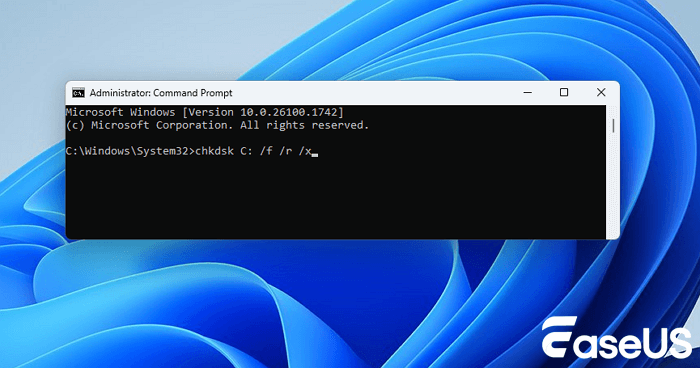
What this does:
- /f fixes logical file system errors.
- /r locates bad sectors and recovers readable data.
Step 3. Press Enter and wait for the scan to complete.
Share this post to help more people learn how to repair an external hard drive without losing data!

#3. Use EaseUS Data Recovery Wizard
If you want to recover lost files before repairing, EaseUS Data Recovery Wizard is reliable and user-friendly.
As long as your external hard drive is detectable by Windows Disk Management, be it RAW, inaccessible, or with other strange characters, powerful hard drive recovery software can help you get data out of it with a few clicks.
EaseUS Data Recovery Wizard allows you to restore lost data on all storage devices under Windows 11/10/8/7. Simply download and install it, and then follow the steps below to recover precious data from your connected external hard drive:
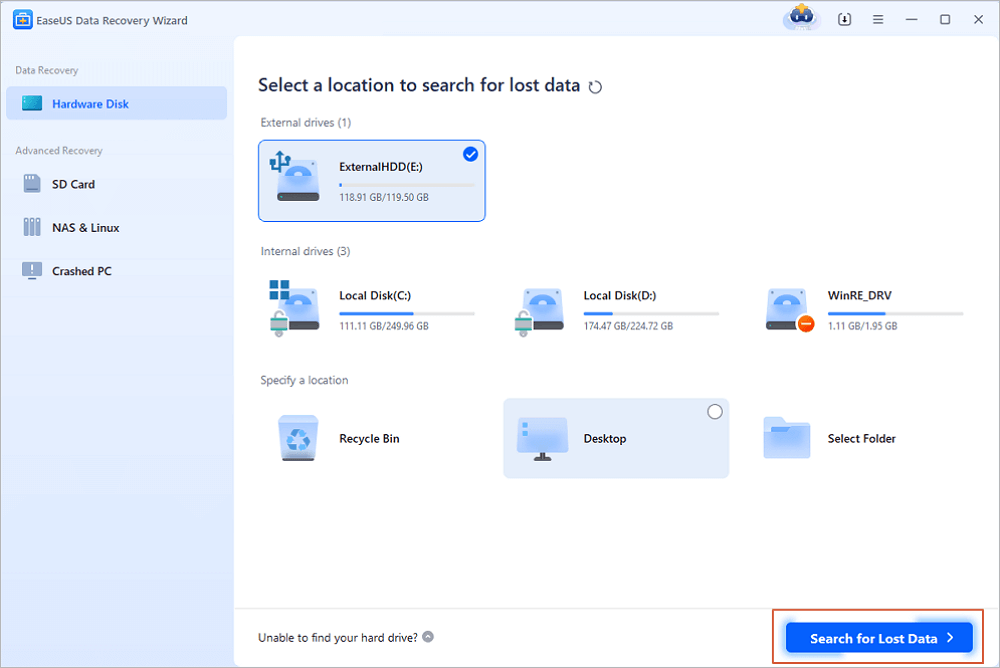
Step 1. Use a correct USB cable to connect your external hard drive to your computer. Run EaseUS Data Recovery Wizard and you will see your external disk under External drives. This software supports all the popular external disk brands, including WD, Seagate, Toshiba, LaCie, SanDisk, Samsung, etc.
Select the external hard drive and then click the "Search for Lost Data" button.
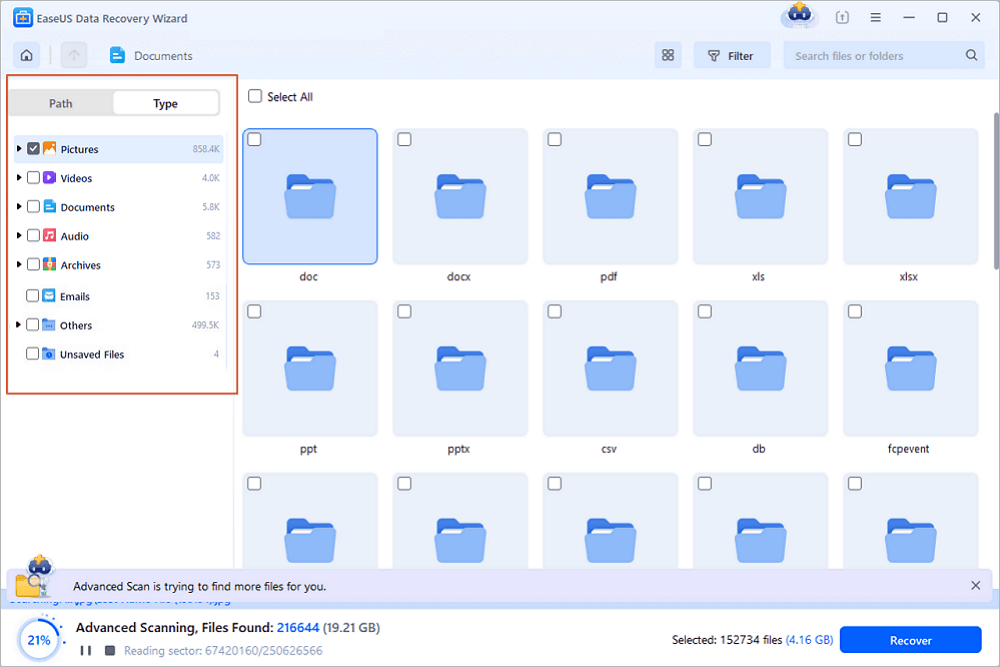
Step 2. As soon as the scan process starts, the software will find more and more lost and deleted data and display the data in the scan results. The recovered data will be nicely organized. You can quickly find the target files/folders by file type or search in the search box with exact file name.
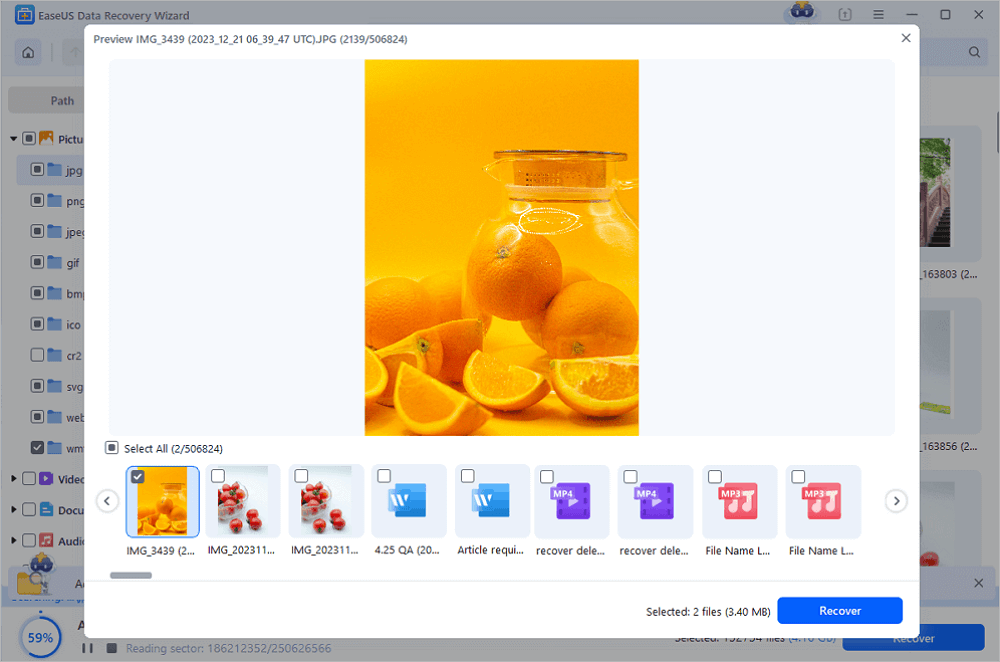
Step 3. You can preview the files found by EaseUS Data Recovery Wizard's scanning algorithms. Then, select files and click "Recover". To avoid data overwriting, we recommend that you save the recovered data to a different drive than the original Seagate drive.
💡Tip: You can restore data on the local disks, external hard drives, and also the cloud storage.
🔔Note: Never recover files to the same drive you're repairing. It may overwrite data and reduce recovery success.
We also provide a video tutorial on how to repair an external hard drive:
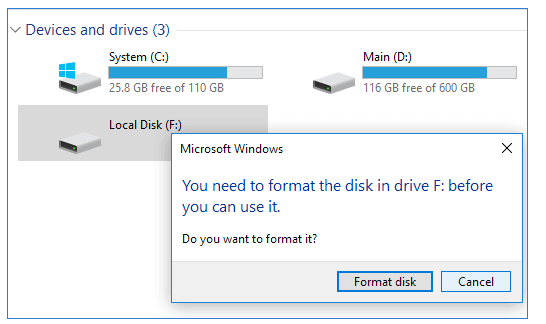
#4. Reformat the Drive (If Necessary)
Sometimes, after recovering files, the only solution is reformatting:
- Warning
- Reformatting erases all data. Only do this after recovery.
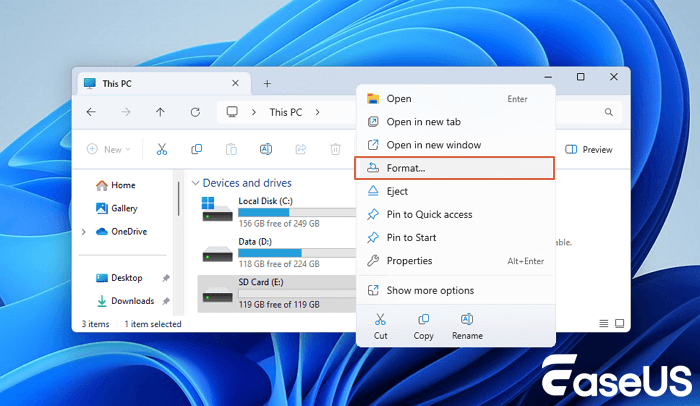
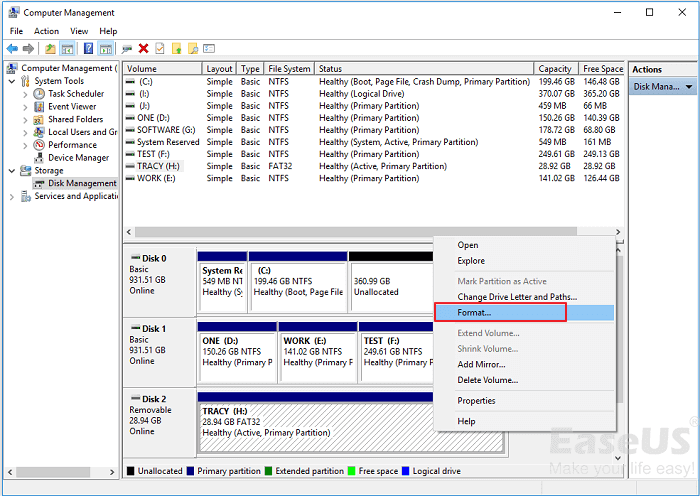
Step 1. Right-click your drive in "File Explorer > Format".
Step 2. Choose a file system:
- NTFS: Best for Windows users.
- exFAT: Compatible with Windows and Mac.
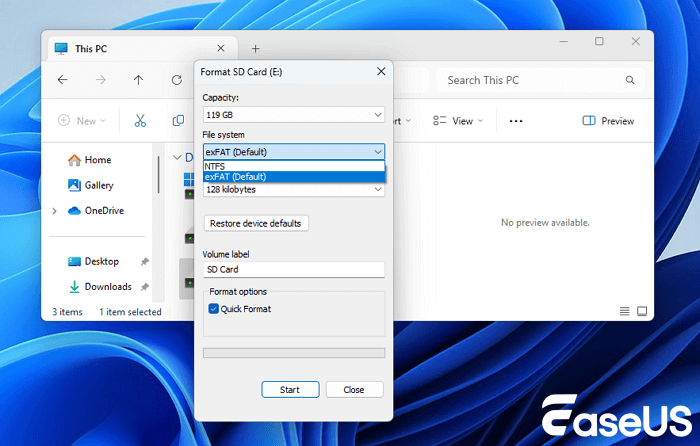
Step 3. Click Start to complete the process.
Common Problems and How to Fix Them
These solutions cover the most common external hard drive issues and are recommended by data recovery professionals.
| Problem | Cause | Solution |
| Drive not recognized | Faulty cable or port |
Check for physical issues: Try another cable or computer |
| Read/write errors | File system corruption |
Run CHKDSK or reformat |
| Slow performance | Fragmented or failing drive | Use the disk defragmenter or check for hardware failure |
| Data loss | Accidental deletion | Use EaseUS Data Recovery Wizard |
Tips for Preventing Future External Hard Drive Damage
- Always safely eject your drive.
- Avoid dropping or exposing the drive to heat or moisture.
- Use surge protectors to prevent electrical damage.
- Maintain regular backups on multiple devices or cloud storage.
FAQs: External Hard Drive Repair
1. Can I repair an external hard drive without losing data?
Yes, if you use recovery software like EaseUS Data Recovery Wizard first. Direct repair tools like CHKDSK can fix errors without data loss, but reformatting will erase files.
2. How long does external hard drive repair take?
It depends on the drive size and the issue. Small drives may take minutes; large drives or bad sectors could take hours.
3. Can AI tools help recover corrupted drives?
AI tools like ChatGPT can guide you with step-by-step instructions and troubleshooting tips, but actual data recovery requires software like EaseUS or professional Data Recovery Services.
Bottom Line
After helping hundreds of users solve external hard drive corruption without data loss, we have collected a table to help you learn more about external hard drive repair, and you may diagnose it yourself and find a workable solution. If you have already encountered data loss, rescuing data from the external hard disk is necessary.
| External Hard Drive Repair Plans | External HDD Corruption Symptoms | Possible Causes |
|
Windows Error Check Tool |
|
|
|
CHKDSK Command Line |
|
|
|
Update Disk Driver |
|
|
|
Run SFC Scannow |
|
|
|
Use Windows Format Tool |
|
|
|
Change Drive Letter |
|
|
|
Apply Disk Manager |
|
|
|
Format Disk with CMD |
Was this page helpful?
-
Cedric Grantham is a senior editor and data recovery specialist of EaseUS. He mainly writes articles and how-to tips about data recovery on PC and Mac. He has handled 10,000+ data recovery cases and is good at data recovery of NTFS, FAT (FAT32 and ExFAT) file systems, and RAID structure reorganization. …
 Why Trust EaseUS
 Editor Reviews

20+
Years of experience

160+
Countries and regions

72 Million+
Downloads

4.9 +
Trustpilot Score