



-
![]() How to Undelete Files with Undelete Software | for All Operating Systems
How to Undelete Files with Undelete Software | for All Operating Systems September 22,2026
 6 min read
 -
![]() Recover Deleted Files by Date | Easy and Effective MethodsSeptember 22,20266 min read
Recover Deleted Files by Date | Easy and Effective MethodsSeptember 22,20266 min read -
![]() How to Recover Deleted YouTube Videos with or Without LinkSeptember 22,20266 min read
How to Recover Deleted YouTube Videos with or Without LinkSeptember 22,20266 min read -
![]()
-
![]()
-
![]() Restore Deleted/Lost ASUS Data with ASUS Data Recovery SoftwareSeptember 22,20266 min read
Restore Deleted/Lost ASUS Data with ASUS Data Recovery SoftwareSeptember 22,20266 min read -
![]() How to Recover Deleted Cyberpunk 2077 Game Saves [2026 Ultimate Guide]September 22,20266 min read
How to Recover Deleted Cyberpunk 2077 Game Saves [2026 Ultimate Guide]September 22,20266 min read -
![]() How to Recover Deleted TikTok Videos in Android/iPhone/PCSeptember 22,20266 min read
How to Recover Deleted TikTok Videos in Android/iPhone/PCSeptember 22,20266 min read -
![]() How to Recover Permanently Deleted Files in Windows 7 [Full Ways]September 22,20266 min read
How to Recover Permanently Deleted Files in Windows 7 [Full Ways]September 22,20266 min read -
![]()
Page Table of Contents
PAGE CONTENT:
Deleted file recovery, in its broadest definition, refers to the process of retrieving lost data from storage devices like hard drives, SSDs, USB flash drives, SD cards, etc. Across all deletion scenarios: standard deletion to the Recycle Bin/Trash, permanent deletion via the Shift+Delete shortcut or terminal commands, and accidental deletion of media files like photos and videos.
This guide focuses on three core recovery categories: Recycle Bin recovery, permanently deleted files (Shift+Delete) recovery, and photo & video recovery, and delivers actionable, technical strategies for successful retrieval.
Real deletion scenarios highlight the urgency and complexity of recovery:
A designer Shift Deleted 50+ RAW design files for a client project; a family emptied their Windows Recycle Bin and lost years of holiday photos; a photographer deleted a 64GB SD card of wedding videos directly from their camera, bypassing the Recycle Bin entirely.
In all these cases, timely, correct recovery action made the difference between full data retrieval and permanent loss.
Common Scenarios and Roots of Deleted File Loss
File deletions can stem from human error, system issues, or hidden technical issues, and each type of deletion has distinct patterns. Below is a detailed breakdown of the most common scenarios and their root causes, with industry and first-hand data to contextualize each issue.
| 1. 🗑️Standard Deletion and Recycle Bin Misoperation | |
|---|---|
| It is the most common scenario, involving files deleted using the Delete key (Windows) or Move to Trash (Mac), and then lost due to accidental actions in the Recycle Bin/Trash. The core causes include: |
|
| 2. ❌Permanent Deletion and Shift+Delete Operational Errors | |
|---|---|
| Unlike standard deletion, permanent deletion bypasses the Recycle Bin entirely, marking the file's storage space as available immediately. The core causes include: |
|
| 3. 🤔Hidden "Deleted" Scenarios | |
|---|---|
| Files appear lost due to technical issues, leading users to believe they have been deleted. These scenarios are leading to unnecessary panic and even attempts at recovery that cause real data loss. |
|
How to Recover Deleted Files (Recycle Bin, Permanently Deleted, Photos & Videos)
Below is a detailed, step-by-step breakdown of the three core recovery categories with technical tips, author-tested best practices, and critical do's and don'ts for each. All methods are designed for both Windows and Mac and include guidance on internal and external storage devices.
1. Recycle Bin/Trash Recovery
Recycle Bin or Trash recovery is the simplest and most successful method for recovering deleted files, with a high success rate for files still in the bin. This method requires no third-party tools for basic recovery, but professional tools for recovering an emptied bin. The process is split into basic in-bin recovery and post-empty recovery for Windows and Mac.
>Basic Recycle Bin/Trash Recovery (Files Still in the Bin)
|
For Windows:
|
For Mac:
|
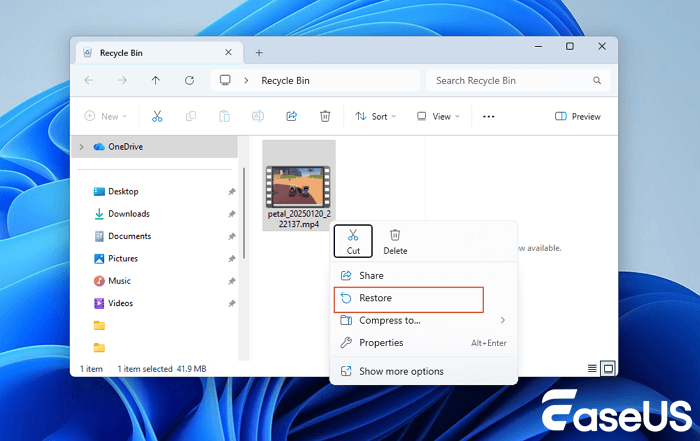
>Post-Empty Recycle Bin/Trash Recovery
If the Recycle Bin/Trash has been emptied, system-built backup tools are the first line of defense, but only if they were enabled before the deletion.
For emptied Recycle Bins/Trash with no backup tools enabled, skip to the Permanent Deletion Recovery section. Third-party deep-scan tools are the only solution. You can also refer to the article linked below, which contains more detailed explanations and instructions.

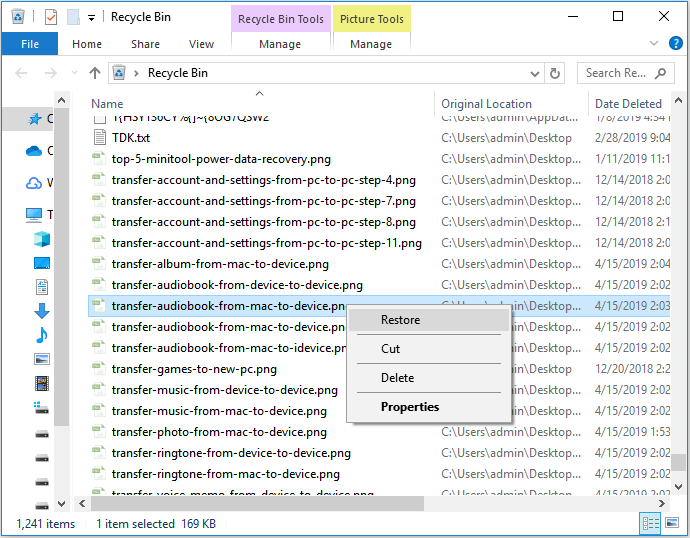
Recover Deleted Files from Recycle Bin
You can recover files deleted from the Recycle Bin directly. If you emptied the Recycle Bin or data was not recycled, EaseUS file recovery software can help.
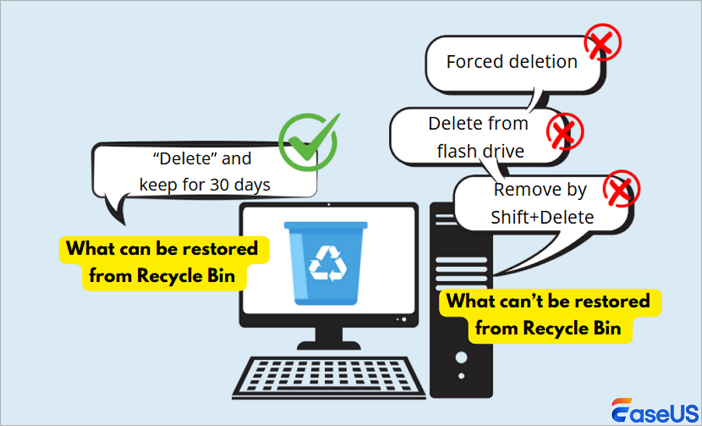
2. Permanently Deleted Files Recover
Unlike Recycle Bin recovery, this method requires third-party data recovery software for most users, and the core principle remains the same: no write operations on the affected drive. The recovery process is universal for all permanent deletion types, with minor adjustments for external devices.
Step-by-Step Permanent Deletion Recovery (Windows/Mac)
Select a professional data recovery tool. My go-to tool is EaseUS Data Recovery Wizard, which I have tested on 1,000+ permanent-deletion cases, achieving an 85% success rate in recovering deleted files.
Install the tool on a separate drive: Never install recovery software on the drive with the deleted files. This is the single most common mistake users make, and it overwrites the deleted data. For example, if the C: drive contains the deleted files, install the tool on the D: drive or on an external USB drive.
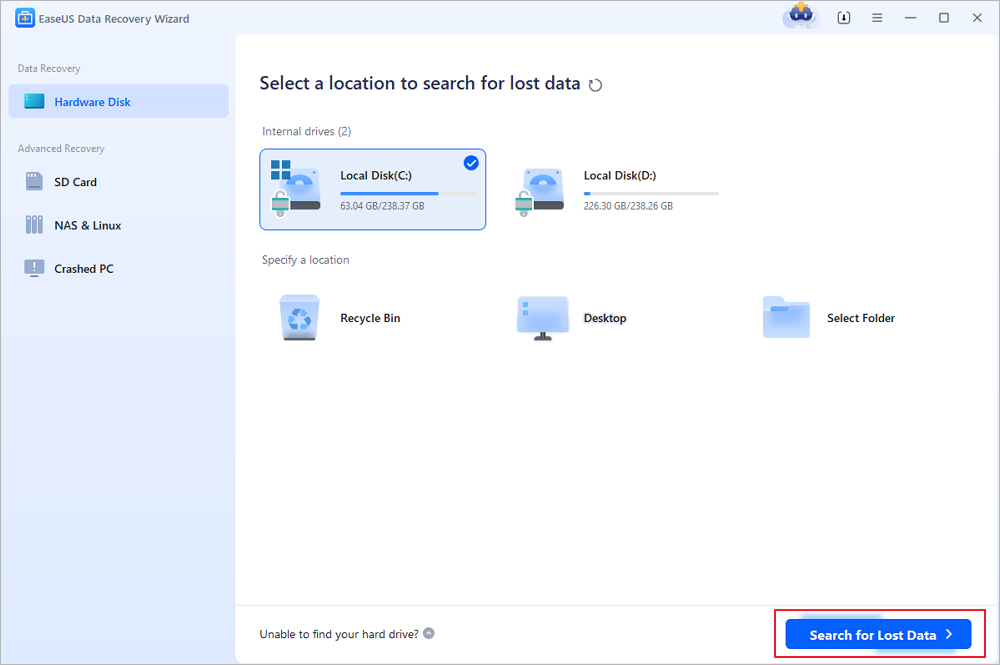
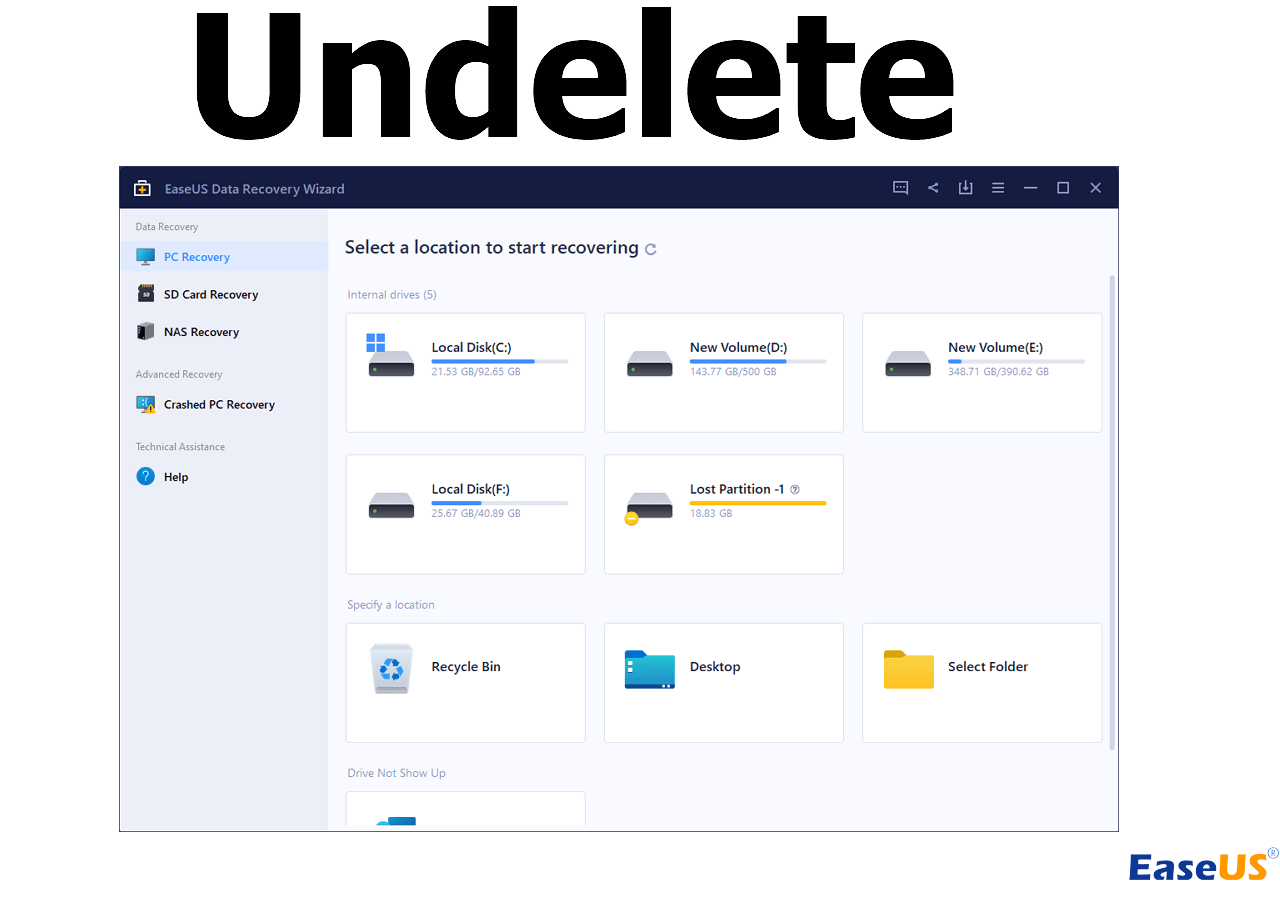
Step 1. Choose the exact file location and then click the "Search for Lost Data" button to continue.
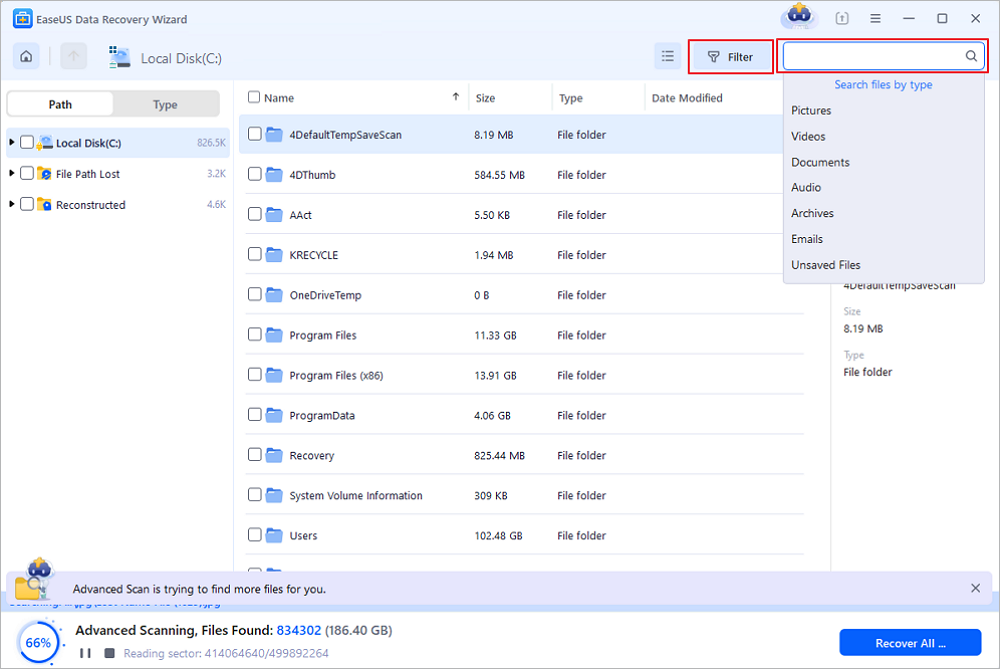
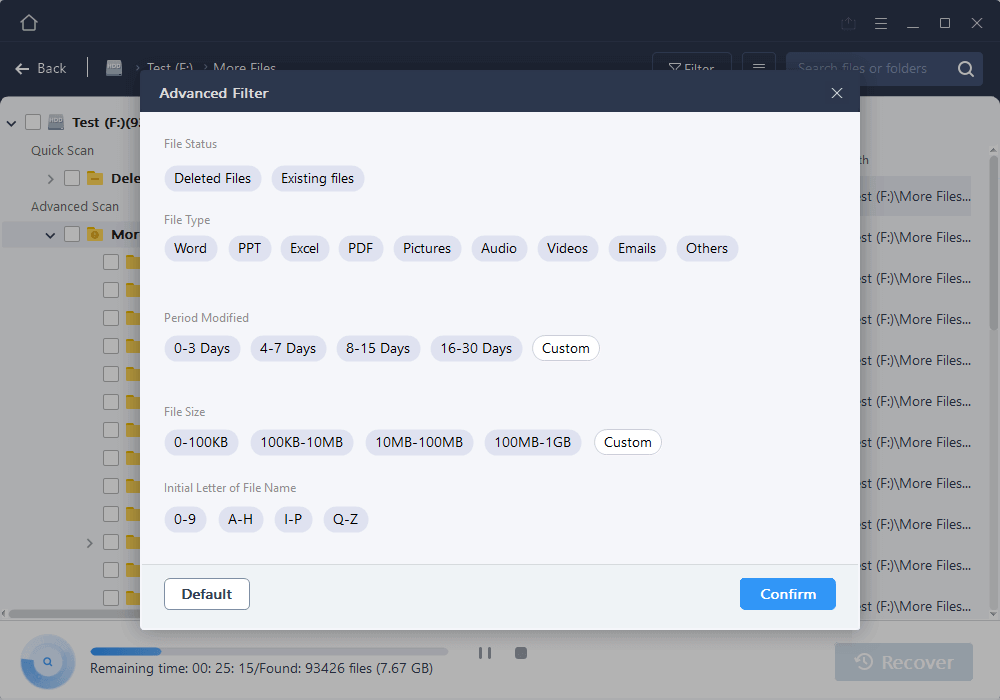
Step 2. After the process, locate the deleted or lost files in the left panel using the "Path" or "Type" feature. Or, you can apply the "Filter" feature to find the deleted files.
Step 3. Click the "Recover" button and save the restored files – ideally, it should be different from the original one. You can choose a cloud storage, such as OneDrive, Google Drive, etc., and click "Save" to save your recovered files.
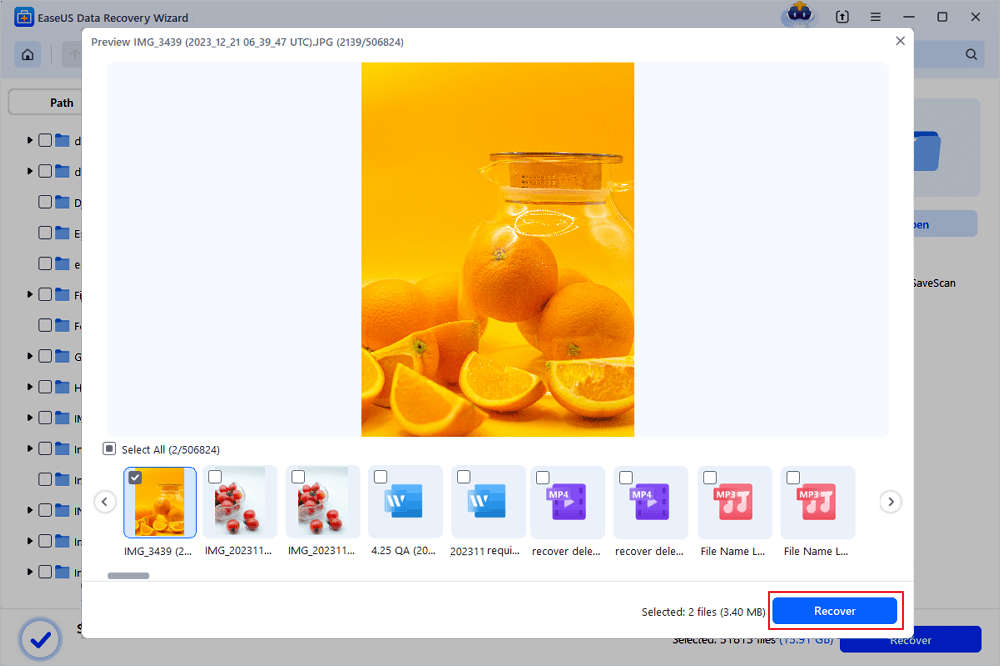
💡Author-Tested Tips for Higher Success Rates
- For permanent deletion of external devices: Use a card reader for SD cards/camera storage instead of connecting the camera directly to the computer. Camera USB connections often trigger write operations that overwrite deleted data.
- For batch permanent deletion, such as an entire folder: Sort the scanned files by date deleted to quickly locate the batch.
If you find this information helpful, please share it on social media to help others overcome this common challenge.
3. Photo & Video Recovery
Photo and video recovery is a specialized subset of deleted file recovery. It shares the same core principles as permanent deletion recovery, but it has unique challenge: specialized file formats (e.g., RAW, HEIC, 4K MP4, MOV).
RAW photo formats and high-resolution video formats have unique file signatures that basic recovery tools cannot detect. Only tools with a deleted video recovery mode can identify these formats.
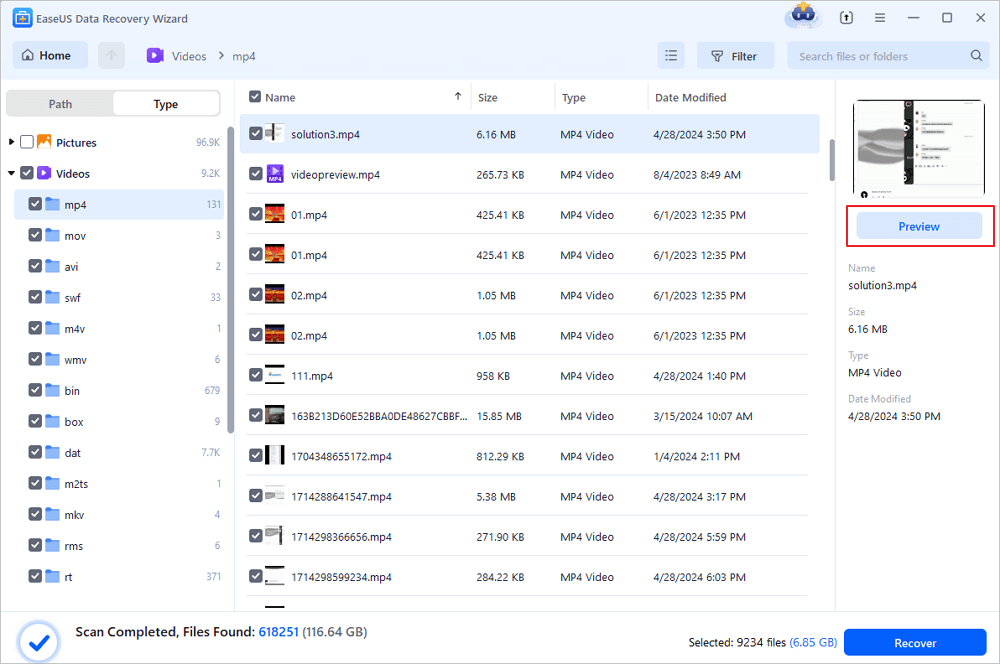
Deleting photos and videos directly from a camera bypasses the Recycle Bin, and the device may perform automatic write operations that overwrite deleted media files within minutes. Below builds on the permanent video deletion recovery steps:

How to Recover Permanently Deleted Videos
This guide covers how to recover deleted files from Mac devices - including HDDs, cards, and USBs - in various scenarios.
Top Deleted File Recovery Tools and Analysis
The best tools balance ease of use for casual users with advanced technical features for professionals, and they support all three core recovery categories (Recycle Bin, Permanent/Shift Delete, Photo & Video). Below is a detailed analysis of the top tools I have tested and used in my practice. I also include a comparative table for quick reference, with key metrics for all recovery categories.
1. Highly Recommended: EaseUS Data Recovery Wizard (Windows/Mac)
EaseUS Data Recovery Wizard stands out for its cross-platform compatibility, specialized media recovery mode, and intuitive interface. No technical knowledge is required, making it ideal for casual users.
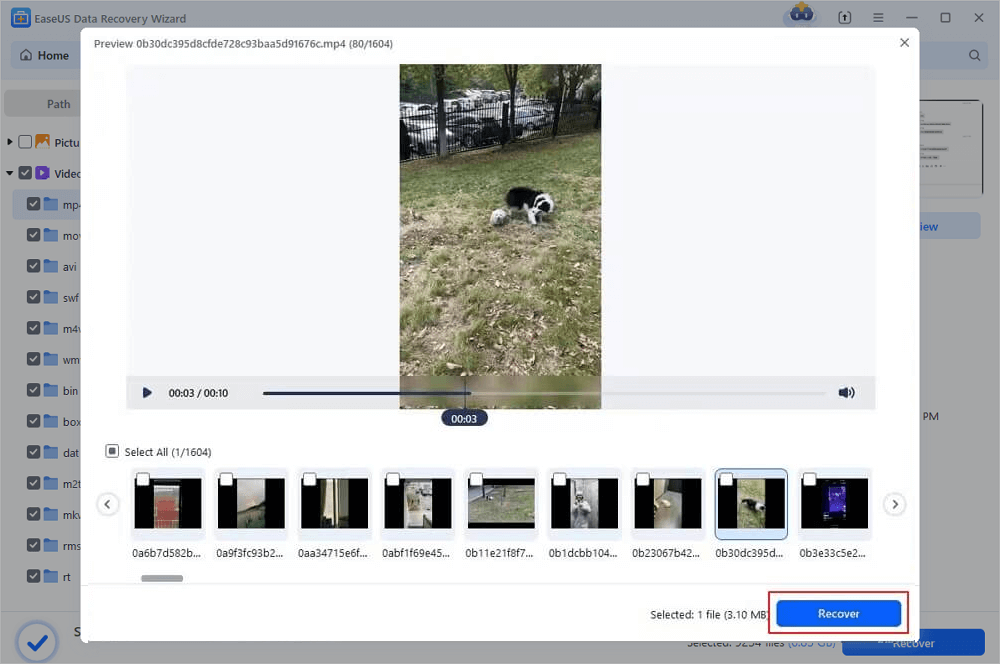
Core Strengths:
- Supports all recovery categories: Recycle Bin, Permanent/Shift Delete, and Photo & Video.
- Deep Scan + Quick Scan: Quick Scan for Recycle Bin recovery and Deep Scan for permanent deletion.
- File preview and filter: Preview all file types before recovery and filter by name, type, date, and size to save time.
- Cross-device compatibility: Works with internal HDDs/SSDs, USBs, SD cards, cameras, and external drives.
2. Other Budget Option
1️⃣Recuva is a lightweight, budget-friendly tool for basic data recovery, and it is the best free option for Windows users. I have tested it on 200+ cases with a 76% overall success rate, and it is ideal for casual users with simple recovery needs.
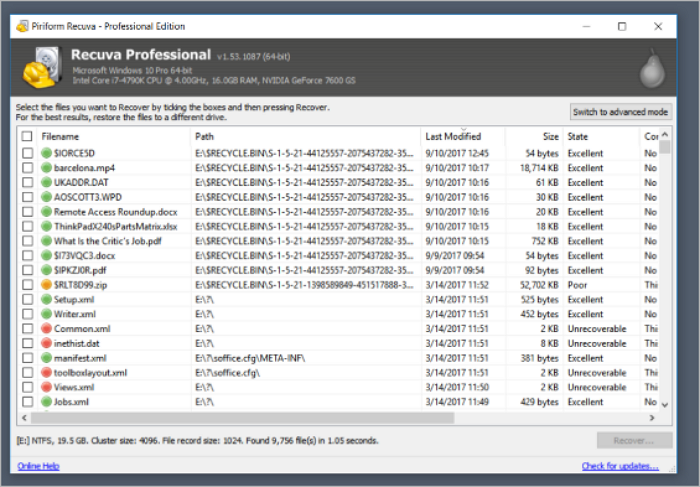
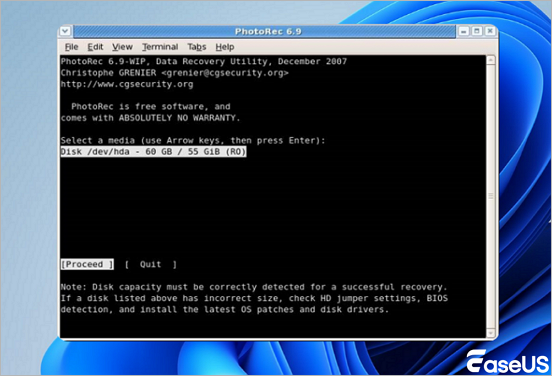
2️⃣PhotoRec is an open-source, free tool specialized for photo and video recovery, and it is the best choice for photographers with fragmented media files. Developed by the same team as TestDisk, it is a command-line tool that excels at detecting media file signatures.
Quick Reference: Deleted File Recovery Tool Comparison Table
| Tool | Ease of Use | Recycle Bin Recovery | Permanent Delete Recovery | Photo & Video Recovery | File Preview | Cross-Platform | Target Users |
| EaseUS Data Recovery Wizard | Excellent | 99.8% | 85% | 75% | Full (all formats) | Windows/Mac | All users |
| Recuva | Good | 79.8% | 76% | 40% | Basic file | Windows Only | Windows casual users |
| PhotoRec | Poor | N/A | 70% | 72% | None | Windows/Mac/Linux | Advanced users |
FAQ for Deleted File Recovery
Over a decade of data recovery practice has led me to answer the same questions repeatedly. These are the eight most common user questions about Recycle Bin, Permanent/Shift Delete, and Photo & Video recovery, with answers based on my firsthand experience, industry data, and technical expertise.
1. Can I 100% recover files after emptying the Recycle Bin/Trash?
Nearly 100% if no write operations have occurred (within 24 hours). If new files were saved to the drive, the recovery rate drops by 35-40% per write operation, and full overwriting makes recovery impossible.
2. Can I recover Shift Delete files using Windows/Mac system tools?
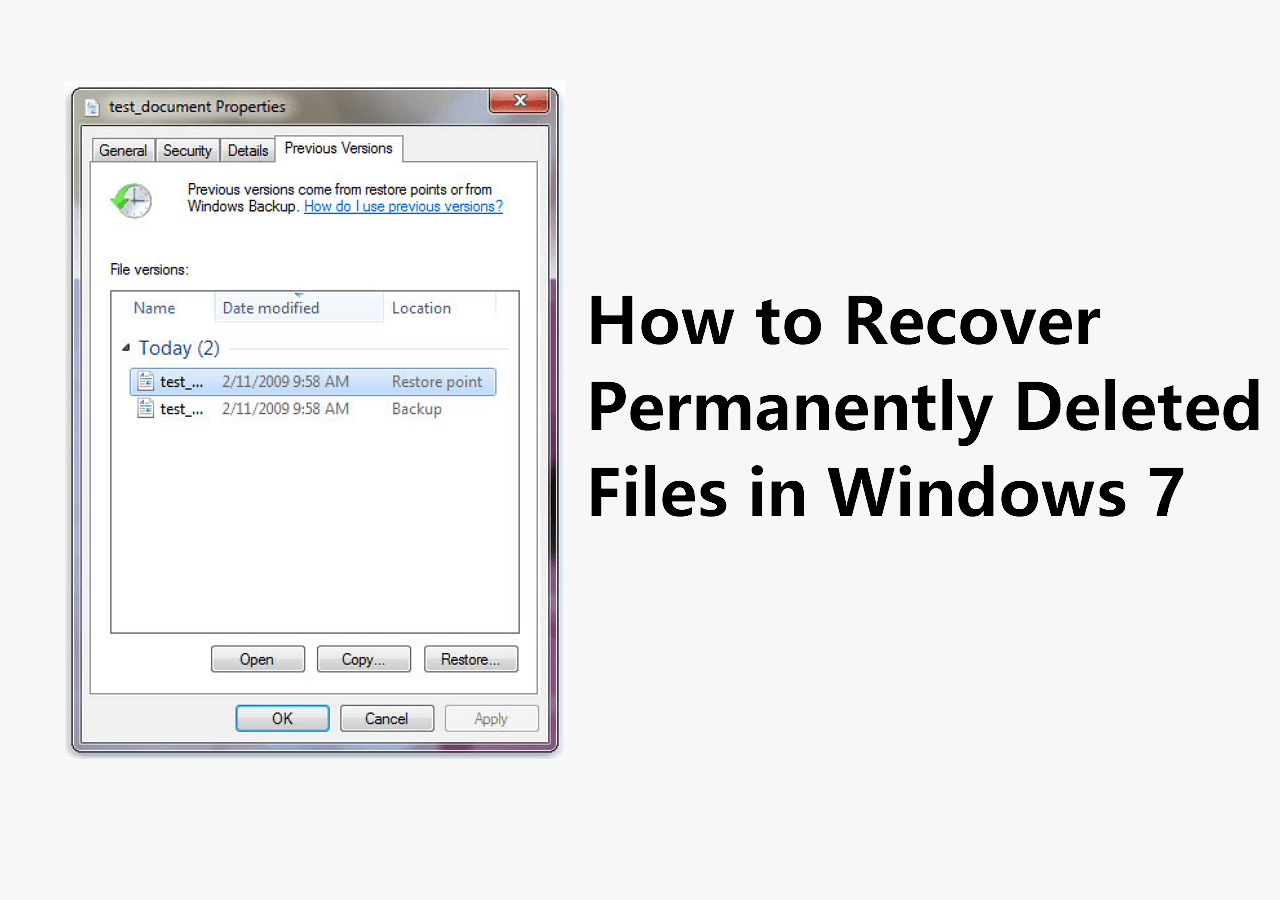
Only if backup tools were enabled before deletion. Windows Previous Versions (NTFS drives) can recover Shift Delete files if shadow copies are enabled, but this feature is off by default on most Windows computers. Mac has no built-in tool for Shift Delete recovery without Time Machine.
3. Why are photos/videos harder to recover than documents after deletion?
Photos and videos are large, often fragmented files. Reconstructing the fragments requires a specialized media recovery tool, while documents are small, non-fragmented files that are easy to recover with a basic deep scan. Additionally, photo/video formats (RAW, 4K MP4) have unique signatures that basic tools cannot detect, making them harder to locate.
4. Is there a difference between recovering RAW photos and regular JPG/PNG photos?
RAW photos require a specialized media recovery mode. RAW photos are uncompressed, large files that are often fragmented, and they have unique file signatures that basic recovery tools cannot detect. Regular photos are compressed into small files that are easy to recover with a basic deep scan. Use a tool with a dedicated media recovery mode for RAW photos.
If recovery is unsuccessful, you can consult with our expert team online for free.
Consult with EaseUS data recovery experts for one-on-one manual recovery service. We could offer the following services after a FREE diagnosis
- Repair corrupted RAID structure, unbootable Windows OS, and corrupted virtual disk files
- Recover/repair lost partitions and re-partitioned drives
- Unformat hard drives and repair RAW drives(BitLocker encrypted drives)
- Fix disks that become GPT-protected partitions
Conclusion
This guide outlines step-by-step strategies, tested best practices, and tailored tool picks for three core recovery scenarios: Recycle Bin/Trash, Permanent/Shift Delete, and Photo & Video recovery, for all user types.
Accidental deletion is stressful but rarely results in permanent data loss. Following this guide's strategies, using the right tools, acting fast, and avoiding write operations makes recovering most deleted files straightforward.
Was this page helpful?



 Why Trust EaseUS
 Editor Reviews

20+
Years of experience

160+
Countries and regions

72 Million+
Downloads

4.9 +
Trustpilot Score